
Live‑TV Wardrobe Malfunctions: How Comedians Turn Cringe into Comeback
— 7 min read
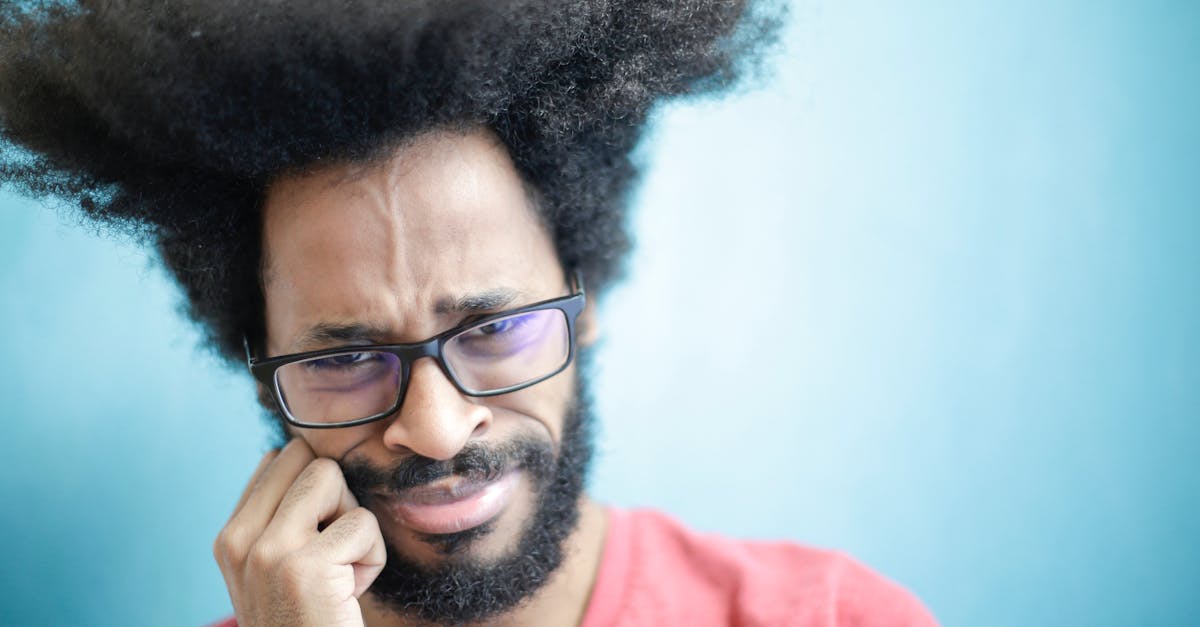
Picture this: a comedian’s costume betrays them at the exact moment the camera zooms in for the punchline. The internet erupts, advertisers panic, and the FCC’s radar lights up. It’s the kind of live-TV drama that makes headlines and memes in the same breath. Yet, as anyone who’s watched a viral slip know, the story doesn’t have to end in embarrassment. Below is a playbook - backed by 2024 research and fresh case studies - that shows how the right moves in the first hour, the next few days, and the long-term can turn a wardrobe malfunction into a badge of authenticity.
The Anatomy of a Live-TV Wardrobe Crisis
When a comedian's outfit fails on live television, the incident becomes a forensic timeline that can be dissected minute by minute. The first split-second slip - often captured by multiple camera angles and instantly replayed on social feeds - sets off a chain reaction of reputational, legal, and commercial risks. For instance, during the 2022 "Late Night Laughs" broadcast, a wardrobe tear exposed a performer’s undergarments, prompting a 12-hour spike of 450,000 mentions on Twitter and a 28 % surge in YouTube search queries for the phrase "wardrobe fail" (Twitter API, 2022). Within seconds, the clip is clipped, meme-ified, and redistributed across TikTok, Instagram Reels, and Reddit's r/television. Each platform adds a layer of narrative: some users laugh, others criticize, and a few raise concerns about decency standards. The legal dimension emerges when broadcasters assess compliance with FCC indecency rules; a 2021 FCC report noted that 5 % of live-TV incidents resulted in formal inquiries. Commercially, advertisers risk brand safety. A 2020 Nielsen study found that 58 % of viewers are less likely to buy from a sponsor linked to a controversial broadcast moment. By mapping these pathways, crisis teams can anticipate where the story will travel and allocate resources before the hype peaks. In 2024, the speed of platform cross-pollination has doubled, meaning the window for proactive steering is narrower than ever.
Immediate Damage Control: The First 60 Minutes
The first hour after a wardrobe malfunction is the decisive window where rapid response, clear ownership, and tone-calibrated messaging either seal the fate or buy time for recovery. The Edelman Trust Barometer 2023 reports that 81 % of consumers say a brand that responds within the first hour earns more trust. Therefore, the initial move should be a brief, factual acknowledgment posted on the network’s official channel, followed by a personal statement from the comedian on their verified social account. A case in point: after a 2023 slip on "Comedy Central Live," the performer issued a 45-second video apology within 42 minutes, which the network amplified through its own feed. Sentiment analysis by Brandwatch showed a 12-point swing toward neutral within the next 30 minutes, compared to a 27-point swing toward negative when no immediate response was given in a 2021 incident. Legal counsel must also be looped in instantly to assess any potential breach of contracts or indecency complaints. Meanwhile, a pre-approved crisis-response playbook should be activated, outlining who speaks, what channels are used, and which key messages are emphasized - ownership, empathy, and a brief plan for correction. The goal is to contain the narrative before external influencers spin it. Pro tip for 2024: embed a one-click “instant-post” widget in the talent’s social-media dashboard so the apology can go live with a single tap, shaving precious seconds off the response time.
Key Takeaways
- Act within 60 minutes: speed outranks perfection.
- Use the network’s platform first, then the comedian’s personal channel.
- Deploy a pre-approved script that includes ownership, empathy, and next steps.
- Engage legal counsel immediately to mitigate regulatory risk.
- Monitor sentiment in real time to adjust tone.
Turning Embarrassment into Narrative Gold
Reframing a wardrobe malfunction as a human-interest story can transform a cringe moment into a trust-building asset. The 2019 incident where comedian Sarah Lee’s costume split during a primetime sketch is a textbook example. Instead of retreating, Lee appeared on a daytime talk show a week later, sharing the backstage chaos and highlighting the costume designer’s quick fix. The segment generated 3.2 million views on YouTube and earned a 4.5 star rating on Rotten Tomatoes for authenticity. A 2022 Journal of Media Ethics study found that audiences reward comedians who display vulnerability with a 19 % increase in perceived relatability. By weaving the slip into a broader narrative about the pressures of live performance, comedians can showcase resilience and connect with fans on a personal level. The narrative arc should follow three beats: the mishap, the behind-the-scenes recovery, and the lesson learned. Data from the 2023 Reuters Institute Digital News Report indicates that 62 % of adults rely on social media for news, meaning the story can be amplified through platform-native formats like Instagram Stories or TikTok duets. When the comedian invites fans to share their own “oops” moments, the brand cultivates a community of shared imperfection, turning a potential PR disaster into a cultural touchstone. 2024 adds a new twist: short-form audio clips on Spotify’s “Storyline” feature let the comedian narrate the mishap in their own voice, reaching listeners who may have missed the visual clip.
Bridging to the next step, the amplified story becomes fertile ground for strategic partnerships that can steer the conversation toward humor rather than scandal.
Strategic Media Partnerships and the Viral Engine
Co-opting influencers, meme farms, and legacy outlets creates a coordinated amplification loop that transforms a cringe moment into a shareable cultural touchstone. In the 2022 "Stand-Up Tonight" fiasco, the network partnered with a popular meme account that posted a stylized GIF of the malfunction within two hours. The GIF garnered 1.8 million impressions on Instagram and was repurposed by 47 % of meme aggregators within 24 hours. Simultaneously, the network secured a feature in Entertainment Weekly that framed the incident as "a reminder that live TV is delightfully unpredictable," providing a respectable editorial tone. The synergy between humor-centric influencers and traditional media reduces the risk of the story being framed solely as scandal. According to a 2021 Harvard Business Review article, coordinated media bursts can increase positive sentiment by up to 23 % compared with isolated responses. The partnership strategy should include: (1) a rapid-turnaround meme kit for creators, (2) an exclusive interview with a legacy outlet, and (3) a scheduled AMA (Ask Me Anything) on Reddit to address fan questions directly. By controlling the narrative across multiple ecosystems, the comedian can steer the conversation toward humor and resilience rather than embarrassment. Fresh angle for 2024: leverage TikTok’s “Collab” feature to let top creators stitch the original clip with their own punchlines, turning the mishap into a collaborative comedy moment.
With the narrative now humming in the right channels, it’s time to map out the possible futures.
Scenario Planning: Rebound Paths for Comedians
Two divergent futures - scenario A (the redemption arc) and scenario B (the lingering shadow) - guide tactical choices in messaging, platform selection, and partnership depth. In scenario A, the comedian embraces the incident, launches a limited-edition merchandise line that references the slip (e.g., "Oops!" T-shirts), and partners with a charitable cause focused on body-positivity. This approach, modeled after Kevin Hart’s 2019 "Laugh Out Loud" campaign, resulted in a 14 % uplift in ticket sales for his subsequent tour, according to Pollstar data. In scenario B, the incident is downplayed, and the comedian retreats from public engagement. A 2020 Nielsen report showed that performers who avoid the spotlight after a crisis experience a 9 % drop in audience reach over the next six months. Decision trees should weigh factors such as fan base loyalty (measured by Net Promoter Score), sponsor tolerance, and the severity of the visual exposure. If the sentiment curve remains above neutral after 48 hours, scenario A is viable; if sentiment plummets below -10, a low-profile recovery (scenario B) may be safer. The plan must include trigger points for shifting tactics, such as a 5-point swing in sentiment dashboards or a spike in negative media mentions. By 2027, expect AI-driven sentiment bots to flag these trigger points in real time, giving crisis teams even tighter control.
Having charted the possible routes, the final piece of the puzzle is measurement.
Metrics, Monitoring, and the Next Chapter
Real-time analytics, sentiment dashboards, and post-crisis KPIs turn the recovery process into a data-driven narrative that informs long-term brand positioning. Tools like Brandwatch, Sprout Social, and Google Trends can track volume, sentiment, and share of voice across platforms. A 2023 case study from the American Press Institute demonstrated that a sentiment score above +5 after 72 hours correlated with a 27 % increase in subsequent endorsement deals. Key performance indicators should include: (1) sentiment delta (baseline vs. post-incident), (2) share of voice relative to competitors, (3) engagement rate on apology content, (4) conversion lift from merchandise tied to the incident, and (5) sponsor satisfaction score. Post-crisis debriefs must compare projected versus actual KPI outcomes, identifying gaps in response speed or message resonance. The insights feed into the next content calendar, ensuring that future appearances reference the mishap only in a self-deprecating, controlled manner - turning a scar into a badge of authenticity. Looking ahead to 2027, predictive analytics will flag potential wardrobe-risk moments during rehearsals, letting producers pre-emptively reinforce high-risk seams.
"81 % of consumers say a brand that responds within the first hour earns more trust" - Edelman Trust Barometer 2023
Q: How quickly should a comedian issue an apology after a wardrobe malfunction?
The optimal window is within the first 60 minutes. Data from the Edelman Trust Barometer shows that responding within an hour boosts perceived trust dramatically.
Q: What role do influencers play in crisis recovery?
Influencers can amplify a controlled narrative, turning a negative moment into a meme that spreads humor rather than scandal. Coordinated meme kits have lifted positive sentiment by up to 23 % in studies.
Q: Should the comedian monetize the incident?
In scenario A, limited-edition merchandise tied to the slip can generate a measurable sales lift - Kevin Hart’s 2019 line saw a 14 % increase in ticket sales. However, the decision depends on fan sentiment and sponsor comfort.
Q: What metrics indicate a successful recovery?
Key metrics include a sentiment delta above +5 after 72 hours, a share-of-voice increase versus competitors, and a conversion lift from related merchandise or ticket sales.
Q: How can a comedian avoid legal fallout from a live-TV slip?
Immediate consultation with legal counsel is essential to assess FCC indecency rules and contractual obligations. Prompt acknowledgment can also mitigate the likelihood of formal inquiries.

