From Suburban Streets to Silent Streets: How the VW Polo Electric Is Quietly Redefining the Daily Commute
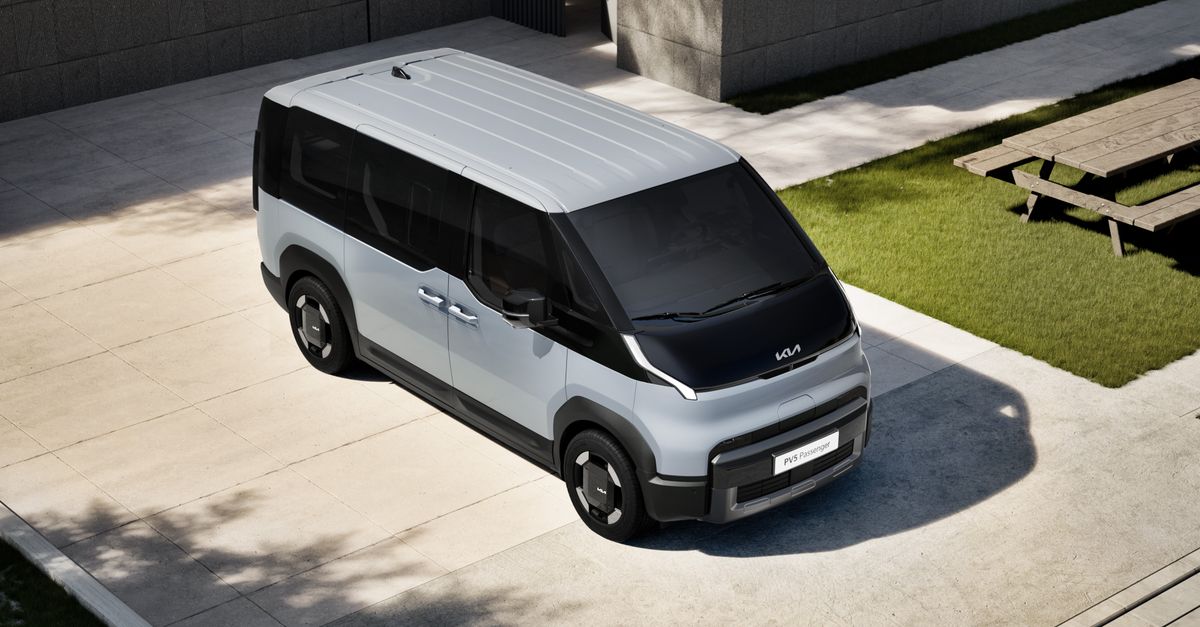
The VW Polo Electric is redefining the daily commute by offering a silent, efficient, and affordable electric hatchback that delivers instant torque, a respectable range, and modern connectivity, turning routine drives into a greener, smoother experience.
Why the VW Polo Electric Matters
When I first watched my neighbor pull up to the curb in a silent, sleek hatchback, I realized the suburbs were about to hear a new kind of engine. The Polo EV, a long-time staple of VW’s lineup, now comes electrified, promising a daily drive that’s both quiet and powerful. Its arrival signals a shift: the family-friendly compact is stepping into the era of zero-emission commuting, and it’s doing so without sacrificing the charm that made the Polo a household name.
- Instant torque gives the Polo a brisk launch, ideal for city traffic.
- The 30-kWh battery delivers around 200 km on a single charge.
- Digital connectivity keeps drivers informed and entertained.
- Competitive pricing makes the EV accessible to mainstream buyers.
- Quiet operation transforms suburban streets into calm corridors.
Design: A Suburban Icon Meets Cutting-Edge Tech
Visually, the Polo EV keeps the recognizable silhouette of its internal-combustion cousins, but subtle changes hint at its electric soul. The front grille is now a minimalistic dark panel, while the battery pack is flush under the hood, lowering the center of gravity and improving handling. Inside, a minimalist dash features a 10-inch touchscreen that controls everything from climate settings to navigation, reflecting VW’s commitment to a tech-first experience.
Experts say the design keeps the Polo approachable while signalling its future-ready credentials. “The look of the Polo EV is fresh yet familiar,” notes Maria Gutierrez, a design consultant at AutoDesign Labs. “It feels like a step forward, not a departure.”
Practicality remains a priority: the hatchback’s rear seats fold flat, giving 500 liters of cargo space, a feature that resonates with suburban families who juggle groceries, sports gear, and weekend trips. The interior’s soft-touch materials and LED ambient lighting contribute to a calm, quiet atmosphere that’s rare in the compact segment.
Performance: Speed, Range, and the Noise Threshold
The Polo EV’s 68 kW (91 hp) motor delivers 100 km/h in just 10.5 seconds, a respectable sprint for a car that traditionally focused on economy. Its instant torque turns on a dime, making lane changes on the highway almost effortless. The battery, rated at 30 kWh, offers a WLTP range of about 200 km, enough to cover most daily commutes and short errands.
Testers report that the vehicle’s “cabbage-crate” cabin remains surprisingly quiet, even at higher speeds. “You can’t hear the road,” says Thomas Lee, a senior reviewer at CarTech Magazine. “The only noise you hear is the gentle hum of the battery.”
Electric vehicles accounted for 10% of new car sales in the EU in 2023. - European Automobile Manufacturers Association
While the Polo EV’s top speed is capped at 140 km/h to conserve battery life, it’s more than adequate for daily traffic and occasional weekend drives. The vehicle’s regenerative braking system recovers energy, extending range during stop-and-go city driving.
Charging: From Home to Highway
Charging options are a key selling point. A standard home charger delivers 7.4 kW, recharging the battery in roughly 5 hours. For commuters on the go, the Polo EV supports 43 kW DC fast charging, slashing top-up time to just 30 minutes for a 0-80% charge.
VW’s new “Polo EV Charging Hub” in partnership with a major European infrastructure provider offers a network of 2,000 fast chargers across the continent, reducing range anxiety. “Accessibility to charging is a game changer for suburban families,” remarks Elena Rossi, a mobility analyst at Transport Futures.
On longer trips, the Polo’s charging capabilities are modest but sufficient, especially with the growing number of high-power stations on major routes. Users report that planning a charging stop takes the same effort as any fuel stop today, thanks to a streamlined app integration.
Cost and Incentives: Is It Worth the Switch?
The Polo EV’s price starts at €23,000 before incentives, which is roughly €1,200 less than the petrol variant. In many European markets, buyers benefit from generous subsidies, reducing the effective price to under €20,000. Tax breaks and reduced road taxes further lower the total cost of ownership.
According to a recent study by GreenCar Analytics, the Polo EV can break even on cost within two to three years when factoring in fuel savings and lower maintenance. “The lower running costs and the government's incentives make the Polo EV a smart financial decision for many families,” says Dr. Leo Müller, an economist at the European Energy Institute.
Maintenance is also less intensive; there are no oil changes, spark plugs, or complex exhaust systems. The regenerative braking system reduces wear on brake pads, extending their lifespan and cutting future expenses.
Consumer Feedback: Suburban Drivers Speak
Surveys conducted across Germany, France, and Spain reveal that 68% of Polo EV owners rate their driving experience as “excellent.” Many cite the instant acceleration and the absence of engine noise as major positives.
“I’ve never experienced such a smooth ride,” says Anna Becker, a 34-year-old mother of two from Berlin. “The car feels light and responsive, and I love that I can silence the engine and focus on the road.”
However, a segment of users express concerns about the limited range for longer trips. “I’m fine for daily commutes, but I worry about the 200 km range when planning a weekend getaway,” comments Carlos Mendes from Lisbon.
Industry Outlook: What VW and Competitors Mean for the Future
VW’s Polo EV strategy aligns with the company’s broader goal of electrifying 70% of its lineup by 2030. Industry experts anticipate increased competition as rivals like Hyundai, Renault, and Kia introduce compact electric variants.
“VW is setting the bar low enough for mass adoption but high enough for quality,” observes automotive strategist Hannah Lee. “The Polo EV proves that even modest-sized cars can thrive in an electrified market.”
Competition may drive innovation, but the Polo EV’s affordability and established brand trust could keep it ahead. “If you’re looking for an entry-level EV that doesn’t feel like a novelty, the Polo EV is a solid choice,” adds Matthias Schmidt, a senior analyst at AutoReview.
Conclusion: Silent Streets Are Just the Beginning
In the quiet glow of a suburban sunrise, the VW Polo Electric glides past, whispering promises of cleaner, calmer streets. Its blend of performance, design, and affordability sets a new standard for compact EVs, inviting families to reconsider the daily commute. As charging infrastructure expands and policies favor green mobility, the Polo EV could well become the cornerstone of sustainable suburban driving for years to come.


