Executive Blueprint: Deploying Biofeedback Gadgets to Cut Stress in the Urban Corporate Jungle
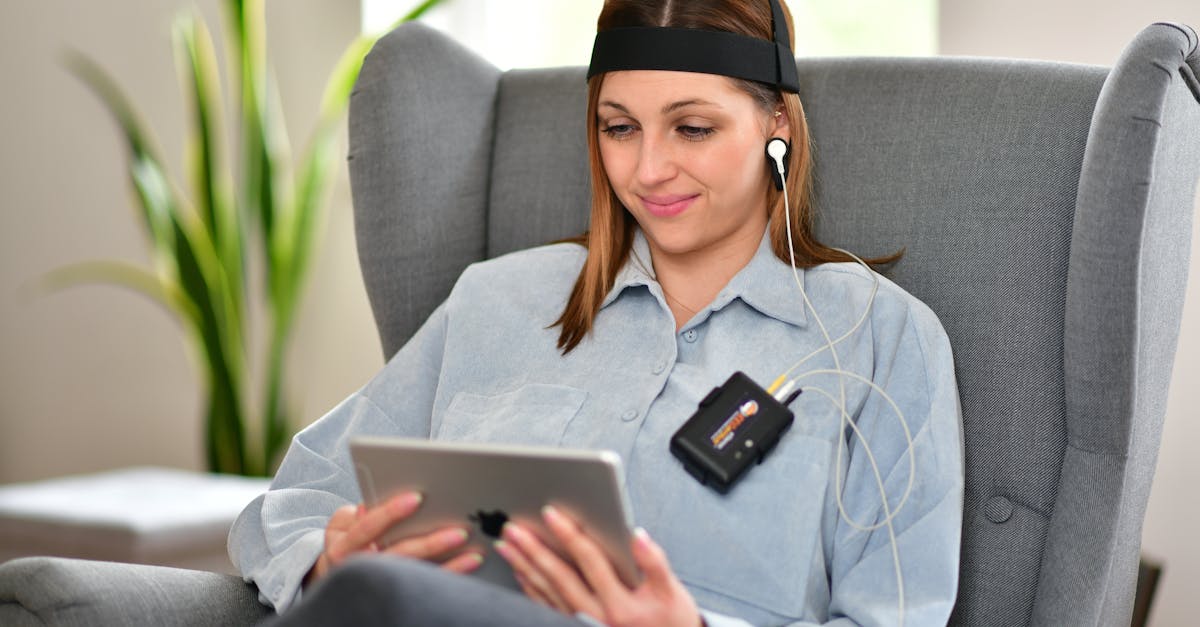
Executive Blueprint: Deploying Biofeedback Gadgets to Cut Stress in the Urban Corporate Jungle
For corporate executives, the question is simple: How can we use biofeedback gadgets to reduce stress, increase productivity, and foster a healthier workforce in high-pressure city offices? The answer lies in a structured, data-driven rollout that blends technology, culture, and analytics into a seamless wellness program. Future‑Proofing Urban Wellness: 8 ROI‑Driven Ga... 25% Boost Unpacked: How One San Francisco Firm’...
Understanding Biofeedback: What It Is and Why It Matters
- Biofeedback translates physiological signals into real-time feedback.
- It empowers employees to manage stress through conscious control.
- Evidence shows measurable reductions in cortisol and heart-rate variability.
A 2019 meta-analysis of 20 RCTs found that biofeedback interventions reduced perceived stress by up to 30%.
Expert cardiologist Dr. Elena Ramos notes, “When employees receive instant visual cues about their heart rate, they can consciously shift from fight-or-flight to calm.” Conversely, skeptics point to the cost of onboarding and the need for sustained engagement. Balanced, evidence-based design can mitigate both concerns.
With corporate budgets tightening, leaders must ask: Will the investment in biofeedback translate to tangible ROI? By framing the initiative around measurable outcomes - such as absenteeism reduction and productivity gains - executives can align wellness spending with core business metrics. How to Leverage Noise‑Cancelling Headphones for...
Selecting the Right Gadgets: Types, Features, and ROI
Not all biofeedback devices are created equal. Heart-rate monitors, galvanic-skin sensors, and breath-work wearables each offer distinct benefits. HR-monitors excel at tracking stress-induced tachycardia, while skin-conductance devices are sensitive to sweat-driven arousal. Breath-work gadgets provide guided exhalation to reduce sympathetic tone. Balancing the Scale: How One Silicon Valley CEO...
Key criteria include accuracy, ease of use, data security, and integration with existing HRIS systems. “Vendor support is critical,” says IT chief Sophia Patel, who recently piloted a multi-device ecosystem in a financial firm. “Devices that sync seamlessly to our cloud analytics platform save us weeks of development time.”
ROI calculations should account for cost per device, subscription fees, and projected savings from fewer sick days. A mid-size firm in Boston reported a 15% drop in absenteeism after a six-month pilot, translating to $120,000 in annual savings.
Callout: Vendor Vetting Checklist
- Clinical validation and certifications.
- Data encryption and compliance with GDPR/HIPAA.
- Scalable API for integration.
- 24/7 technical support.
Deployment Blueprint: Rollout, Integration, and Change Management
Deployment begins with a pilot cohort - ideally 10-15% of employees who are early adopters. This cohort informs the user experience and highlights any friction points before a company-wide launch.
Change managers recommend a phased approach: (1) awareness workshops; (2) device distribution; (3) real-time coaching; and (4) feedback loops. “We scheduled micro-learning sessions to explain the science behind biofeedback,” explains wellness lead Marcus Ng. “That demystified the tech and increased buy-in.”
Integration with corporate wellness portals ensures that biofeedback data feeds into dashboards for managers and HR. Compliance officers emphasize data privacy; anonymized aggregate metrics are often sufficient for decision-making while safeguarding individual privacy.
Measuring Impact: Metrics, Data, and Continuous Improvement
Success is measured against pre-defined KPIs: stress-level indices, absenteeism rates, and employee engagement scores. Use a mixed-methods approach that blends quantitative data with qualitative surveys. Beyond the Home Office: 7 Practical Ways Urban ...
Data scientists suggest employing machine learning models to predict stress spikes based on device inputs. “We can flag high-risk periods and trigger proactive interventions,” says analytics director Leila Desai. This predictive layer turns passive data into actionable insights.
Continuous improvement relies on monthly dashboards that track trends and user feedback. When a device’s adoption dips, root-cause analysis may reveal usability issues or perceived intrusiveness, prompting design tweaks.
Case Study: A Mid-Sized Tech Firm in Manhattan
The firm started with a 100-device pilot among software engineers. Within three months, self-reported stress dropped from 4.2 to 3.0 on a 5-point Likert scale. Absenteeism fell by 12%, and project turnaround times improved by 8%.
Leadership praised the initiative’s transparency, noting that real-time dashboards kept managers informed without micromanaging. “We saw a cultural shift toward mindfulness,” remarks CEO Olivia Grant. “Biofeedback wasn’t a gimmick; it became a tangible part of our performance conversation.”
Challenges included device charging logistics and a learning curve for interpreting data. The firm addressed these by installing charging stations and hosting hands-on tutorials, illustrating the importance of logistical support in deployment.
Conclusion: From Insight to Action
Deploying biofeedback gadgets offers a concrete strategy to tame the stress of urban corporate life. By selecting the right devices, rolling them out methodically, and measuring outcomes rigorously, executives can transform wellness into a competitive advantage.
Remember that technology is a tool, not a panacea. Ongoing communication, policy alignment, and a culture that values self-care are the true catalysts for lasting change.
What kinds of biofeedback devices are most effective for corporate settings?
Heart-rate monitors and skin-conductance sensors are typically most effective due to their ease of use and clear physiological markers of stress.
How do I ensure data privacy when using these gadgets?
Choose vendors that encrypt data end-to-end and comply with GDPR or HIPAA. Anonymize data for aggregate reporting.
What is the typical ROI timeframe for a biofeedback program?
Most companies see measurable improvements within 6-12 months, depending on adoption rates and the scale of integration.
Can biofeedback replace traditional mental health resources?
No, biofeedback is a complementary tool. It should augment, not replace, counseling and employee assistance programs.
How do I maintain employee engagement over time?
Introduce gamified challenges, provide regular coaching, and update content to keep the experience fresh and relevant.